It is an old Portuguese popular song sung by agricultural workers when they pick the olives from the olive trees or at the end of work during the moment of conviviality that accompanies the last meal of the day.
If the song is sung during work it is usually sung "a capella", if it is sung after work it is often accompanied by music.
This is the possible translation, see the explanatory notes after the translation.
O rama O What a beautiful rama
O rama of the olive tree
My pair is the most beautiful
Who walks here on the whole wheel
Who walks here on the whole wheel
Here and anywhere
O rama O What a beautiful rama
O rama of the olive grove
I really like to listen
Sing to those who have learned
If there were someone who taught me
Who learned it was me
O rama O What a beautiful rama
O rama of the olive tree
My pair is the most beautiful
Who walks here on the whole wheel
Who walks here on the whole wheel
Here and anywhere
O rama O What a beautiful rama
O rama of the olive grove
Notes:
– The version sung by MARO is the short version, the normal version has one more poem and the long version has two more.
– "rama" means in Portuguese "leaf branch", in this case olive leaf branch.
– "My pair is the most beautiful who walks here on the whole wheel" is a reference to a traditional dance that is danced in a circle and each female element has a male pair.
– Traditionally this song is attributed to agricultural workers in the Portuguese province of Alentejo, but it is sung throughout the country.
– It is one of the most popular traditional songs in Portugal, all Portuguese sing this song. Almost all Portuguese professional singers have sung this song at least once in their careers.
– Interestingly "Linda Rama" is the name of the first lady of the Republic of Albania, it's just a pleasant coincidence.
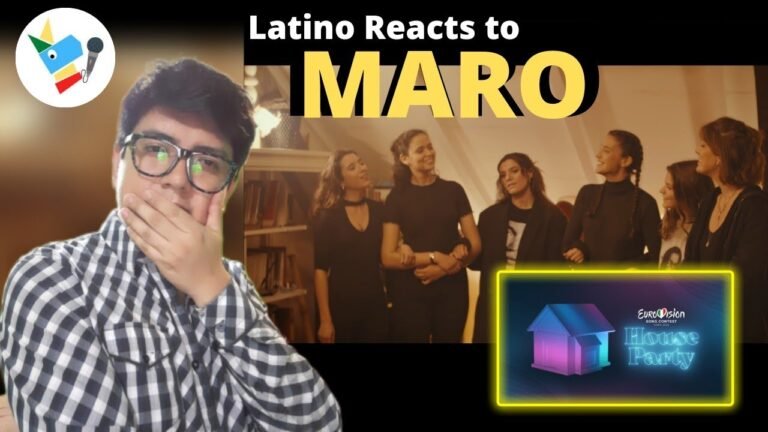
Obrigado! Maro é muito versátil. Adora incursões em diferentes estilos musicais, incluindo na música tradicional portuguesa. Neste caso, adaptou a canção «Ó Rama, Ó Que Linda Rama » (1977) ao jeito do Cante Alentejano (uma expressão musical regional portuguesa reconhecida pela UNESCO como património imaterial da Humanidade) – um cantar tradicional do sul do país, da região do Alentejo (tal como esta canção, original de Teresa Silva Carvalho), sempre cantado por grupos de homens (ela foi atrevida, ehehehe) unidos pelos braços, simbolizando uma corrente. Ela não se esqueceu desse detalhe. Linda, esta Maro, que torna tudo mais doce! Talvez venha a ser o Dark Horse desta edição ESC 2022.
TRANSLATION AND COMMENTS
It is an old Portuguese popular song sung by agricultural workers when they pick the olives from the olive trees or at the end of work during the moment of conviviality that accompanies the last meal of the day.
If the song is sung during work it is usually sung "a capella", if it is sung after work it is often accompanied by music.
This is the possible translation, see the explanatory notes after the translation.
O rama O What a beautiful rama
O rama of the olive tree
My pair is the most beautiful
Who walks here on the whole wheel
Who walks here on the whole wheel
Here and anywhere
O rama O What a beautiful rama
O rama of the olive grove
I really like to listen
Sing to those who have learned
If there were someone who taught me
Who learned it was me
O rama O What a beautiful rama
O rama of the olive tree
My pair is the most beautiful
Who walks here on the whole wheel
Who walks here on the whole wheel
Here and anywhere
O rama O What a beautiful rama
O rama of the olive grove
Notes:
– The version sung by MARO is the short version, the normal version has one more poem and the long version has two more.
– "rama" means in Portuguese "leaf branch", in this case olive leaf branch.
– "My pair is the most beautiful who walks here on the whole wheel" is a reference to a traditional dance that is danced in a circle and each female element has a male pair.
– Traditionally this song is attributed to agricultural workers in the Portuguese province of Alentejo, but it is sung throughout the country.
– It is one of the most popular traditional songs in Portugal, all Portuguese sing this song. Almost all Portuguese professional singers have sung this song at least once in their careers.
– Interestingly "Linda Rama" is the name of the first lady of the Republic of Albania, it's just a pleasant coincidence.
I advise you to watch this recent video of MARO , Salvador Sobral sings music by MARO . SUPERB.
❤️🇵🇹
Obrigado! Maro é muito versátil. Adora incursões em diferentes estilos musicais, incluindo na música tradicional portuguesa. Neste caso, adaptou a canção «Ó Rama, Ó Que Linda Rama » (1977) ao jeito do Cante Alentejano (uma expressão musical regional portuguesa reconhecida pela UNESCO como património imaterial da Humanidade) – um cantar tradicional do sul do país, da região do Alentejo (tal como esta canção, original de Teresa Silva Carvalho), sempre cantado por grupos de homens (ela foi atrevida, ehehehe) unidos pelos braços, simbolizando uma corrente. Ela não se esqueceu desse detalhe. Linda, esta Maro, que torna tudo mais doce! Talvez venha a ser o Dark Horse desta edição ESC 2022.